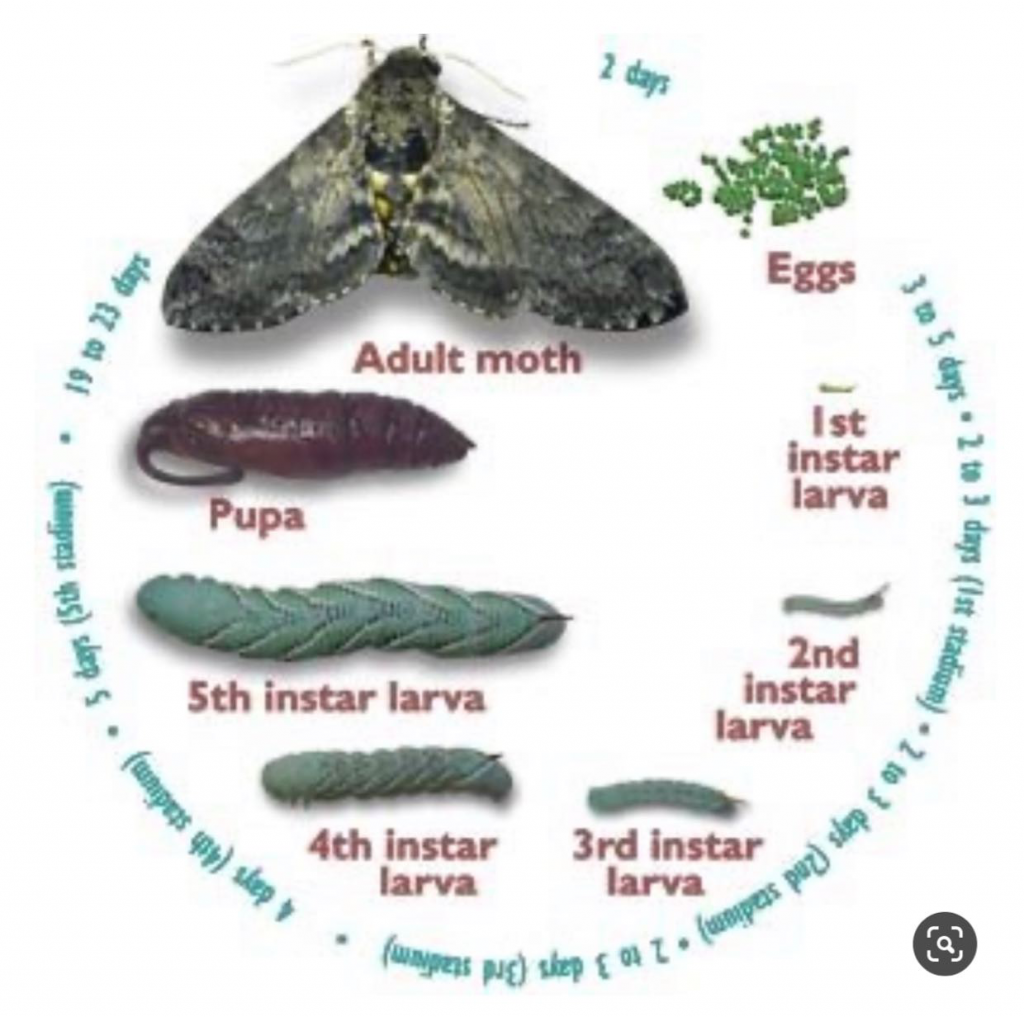
Manduca Sexta Life Cycle Hornworms Rainbow Mealworms
Activate Now manduca sexta life cycle exclusive video streaming. 100% on us on our viewing hub. Experience fully in a extensive selection of binge-worthy series made available in superb video, ideal for elite watching mavens. With content updated daily, you’ll always stay current. stumble upon manduca sexta life cycle recommended streaming in incredible detail for a genuinely gripping time. Get into our digital hub today to watch exclusive premium content with cost-free, subscription not necessary. Enjoy regular updates and venture into a collection of exclusive user-generated videos tailored for top-tier media addicts. Take this opportunity to view distinctive content—get a quick download! Enjoy the finest of manduca sexta life cycle uncommon filmmaker media with crystal-clear detail and preferred content.
Manduca anatomy & life cycle manduca life cycle The tobacco hornworm looks very similar to tomato hornworm, manduca quinquemaculata (figure 5), and their range and host plants can overlap. Manduca, along with the beetles, ants, bees, wasps, and flies, display the form of development seen in many insect species, a complete metamorphic change
Tomato Hornworm Moth Life Cycle
The adult looks much different than the larva and pupa. Manduca sexta larvae undergo four or five instars, gradually increasing in size to about 8 cm (~3 in) in length in the final instar (deel 1999, encyclopedia of life 2017) Sexta has mechanisms for selectively sequestering and secreting the neurotoxin nicotine present in tobacco
Sexta is a common model organism, especially in neurobiology, due to its easily accessible nervous system and short life cycle.
Manduca sexta undergoes two generations per year in northern parts of its range, three or more in the south, including louisiana The life cycle requires 30 to 50 days to complete, depending on season, with warmer temperatures speeding up the process. Meet the tobacco hornworm (manduca sexta), a member of the lepidoptera order that emerges as a moth in adulthood Most common throughout the southern and gulf coast states, this caterpillar is easily recognizable due to its distinct green hue, vertical lines trailing down each side, and its “horn” located on the posterior of its abdomen
They are easily confused with tomato hornworms. Scientific name manduca quinquemaculata, manduca sexta (most common) hosts homworms feed primarily on solanaceous plants These, include tobacco, tomato, eggplant, pepper, potato, and certain weeds Tobacco and tomato plants are preferred for oviposition
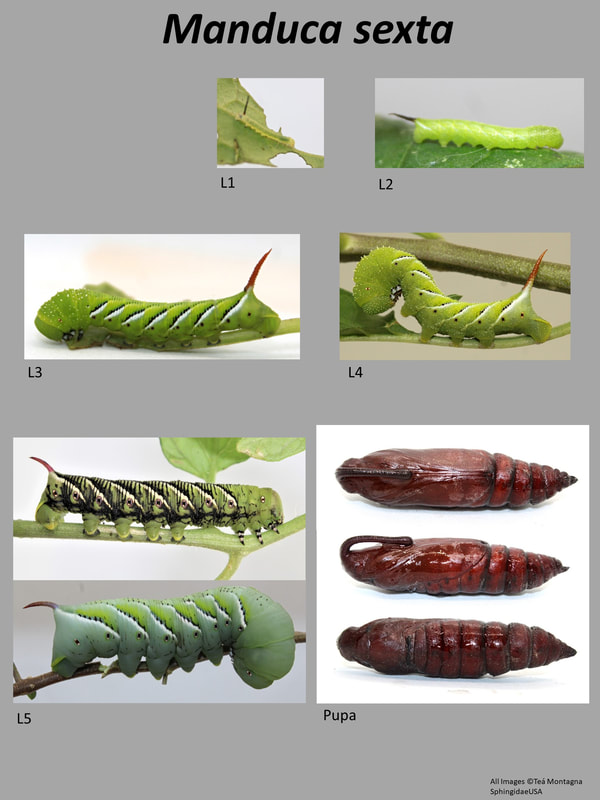
Symptoms the larvae consume large amounts of foliage and 2 or 3 large larvae can virtually defoliate even a large plant
Adult tobacco hornworm, manduca sexta (linnaeus) John capinera, university of florida two generations because many pupae enter diapause The life cycle can be completed in 30 to 50 days, but often is considerably protracted due to cold weather or diapause.