What Is An Organism That Reproduces Asexually Asexual Reproduction In Imals D Examples Definition Types D More!
Watch For Free what is an organism that reproduces asexually hand-selected online playback. No strings attached on our digital playhouse. Get captivated by in a vast collection of films provided in superb video, a dream come true for premium watching buffs. With the newest additions, you’ll always never miss a thing. Explore what is an organism that reproduces asexually hand-picked streaming in impressive definition for a truly captivating experience. Sign up for our platform today to experience unique top-tier videos with totally complimentary, access without subscription. Benefit from continuous additions and explore a world of unique creator content perfect for high-quality media followers. Be certain to experience uncommon recordings—save it to your device instantly! Indulge in the finest what is an organism that reproduces asexually special maker videos with exquisite resolution and chosen favorites.
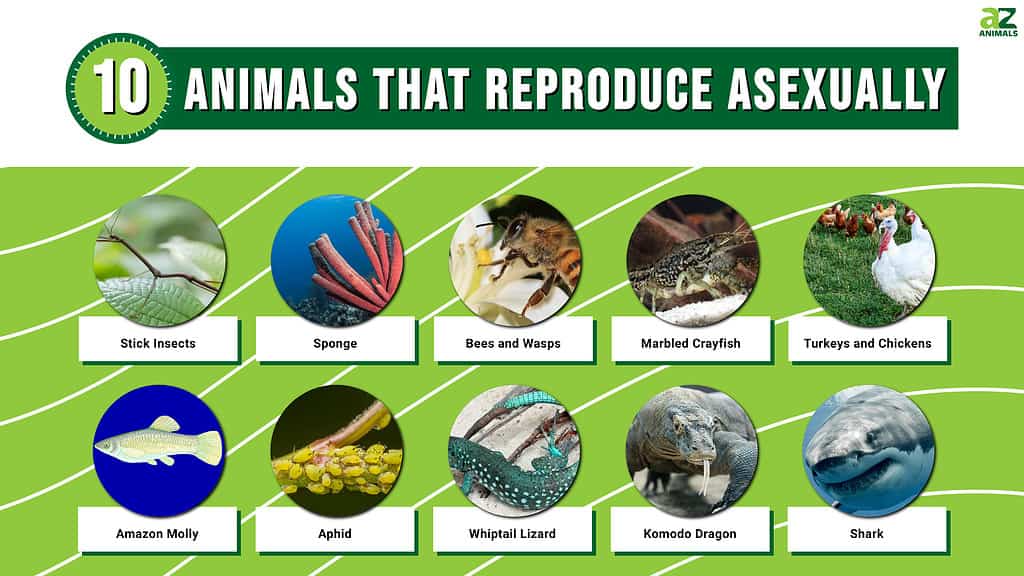
In the animal kingdom, reproduction is a necessary part of species survival Asexual reproduction produces offspring that are genetically identical to the parent because the offspring are all clones of the original parent. Learn about 12 animals that reproduce asexually and don't need a mate.
Asexual Reproduction in Animals and Examples - Definition, Types and More!
Sponges are among the most basic organisms in the animal kingdom, so it’s no surprise that many of them reproduce through asexual means The resulting offspring are typically genetically identical, or nearly identical, to the sole parent, effectively forming clones. The main strategies are to grow a new copy directly from its own body, like a bud, or to produce a mass of new cells called gemmules.
Many eukaryotic organisms including plants, animals, and fungi can also reproduce asexually
Sponges, among the simplest multicellular organisms, reproduce asexually through budding and fragmentation These processes enable them to regenerate lost parts and expand colonies effectively. Asexual reproduction allows for the rapid production of offspring, sometimes in overwhelming numbers A single organism can populate a new habitat without the need to find a mate, making this strategy ideal for colonizing new environments or recovering from population bottlenecks.
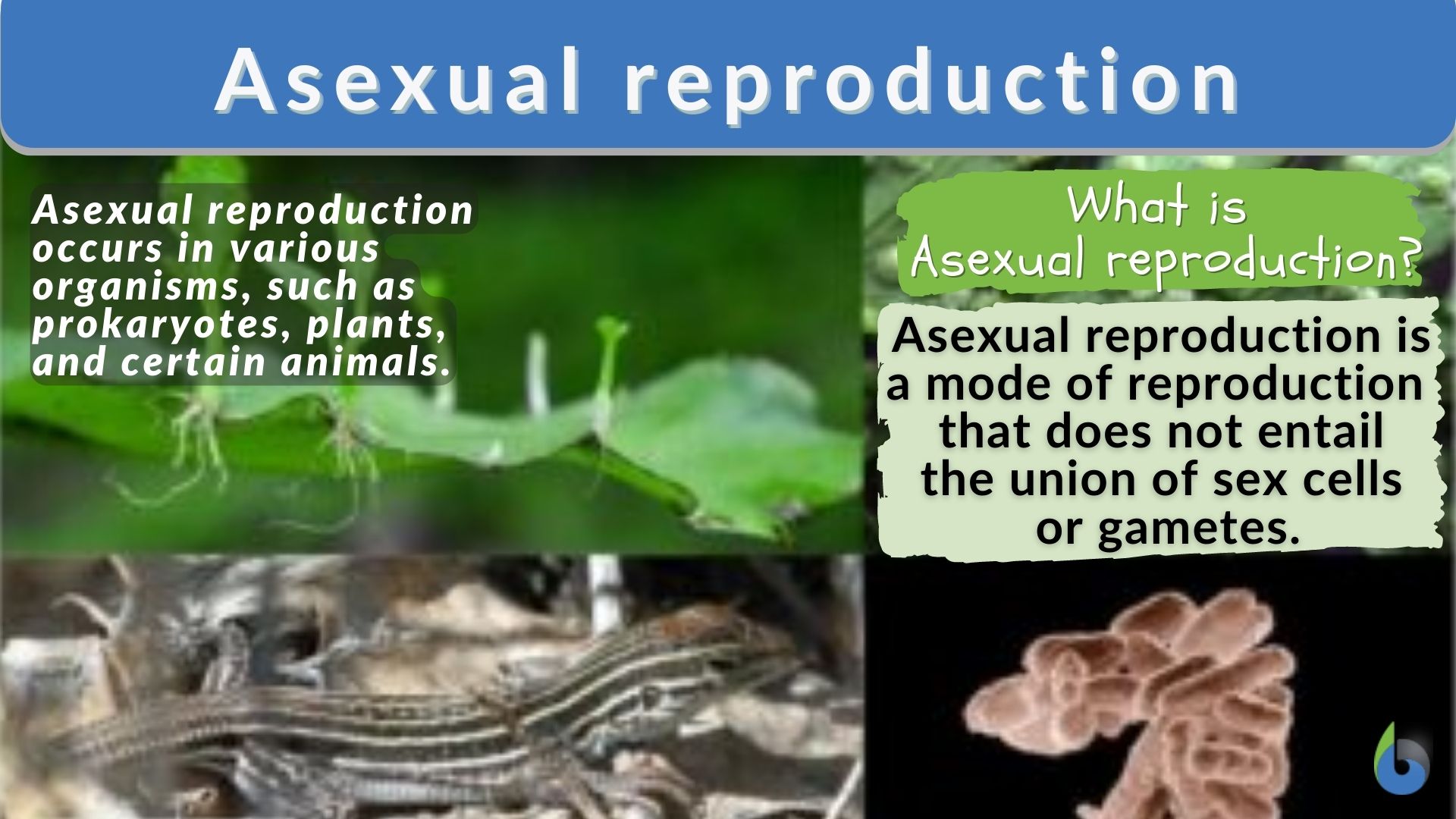
Asexual reproduction in animals involves creating offspring from a single parent, without the fusion of gametes